Know the risk. One pill can kill.

150 Americans die of a fentanyl overdose every single day. Many of those are young people who were took an off-label prescription pill which was laced with lethal amounts of fentanyl. We are a nonprofit organization founded by youth and for youth to spread a simple message: do not experiment with off-label pills.

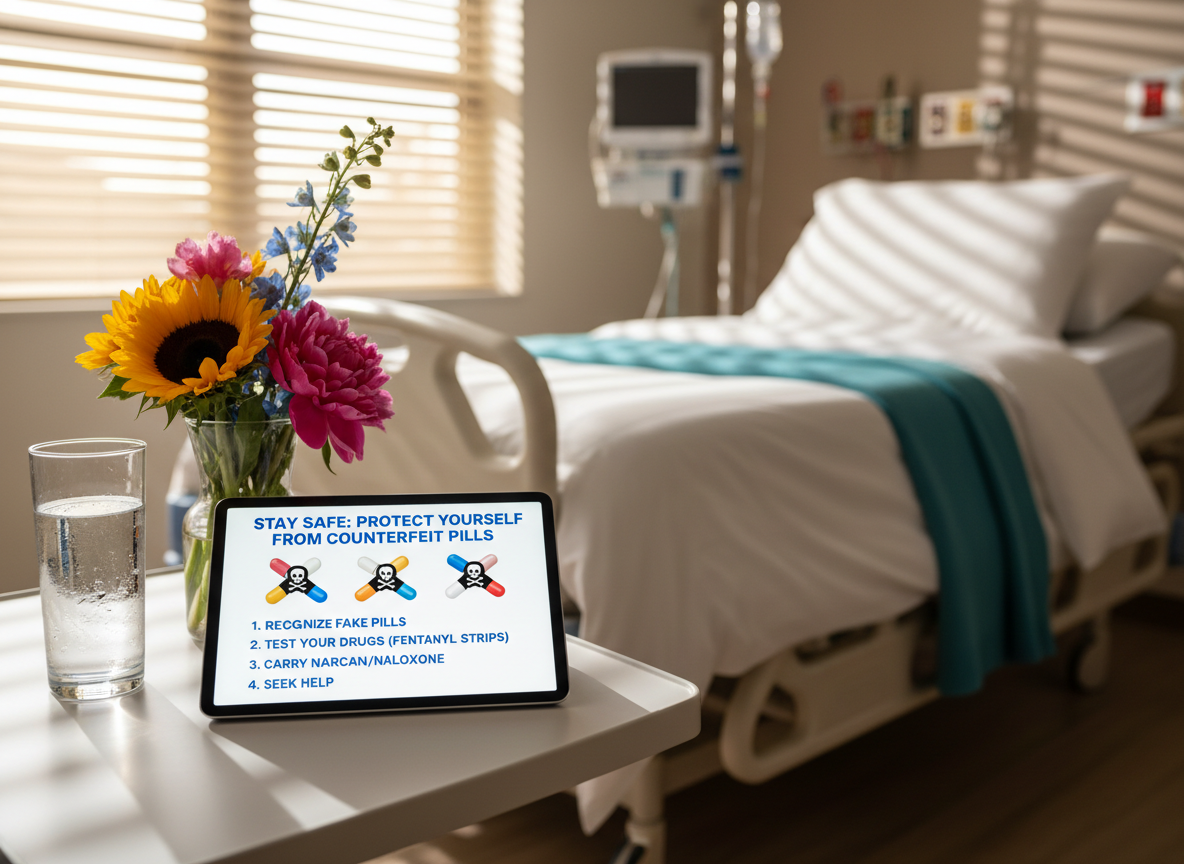
A supportive healthcare scene in photographic realism showing a neatly made hospital bed with crisp white linens and a folded teal blanket, positioned beside a modern bedside table holding a glass of water, a digital tablet open to an illustrated educational chart about counterfeit pills, and a small vase of fresh, colorful flowers. Warm, diffused afternoon light filters through partially closed blinds, casting soft stripes of light across the room and creating a soothing, hopeful atmosphere. The composition is eye-level, with the tablet screen as the focal point and the medical equipment in the background subtly out of focus. The overall mood is caring and reassuring, emphasizing access to information and compassionate healthcare for those affected by fentanyl-related emergencies, without showing any patients or graphic content.

About Us

Learn how we empower young people and communities to prevent fentanyl-related deaths.

About

Why Youth Fentanyl Awareness Matters

Youth for Fentanyl Awareness is a youth-led nonprofit created after local families lost children to counterfeit pills. We provide honest, evidence-based education so teens, parents, and schools understand that one fake pill can cause a fatal overdose.
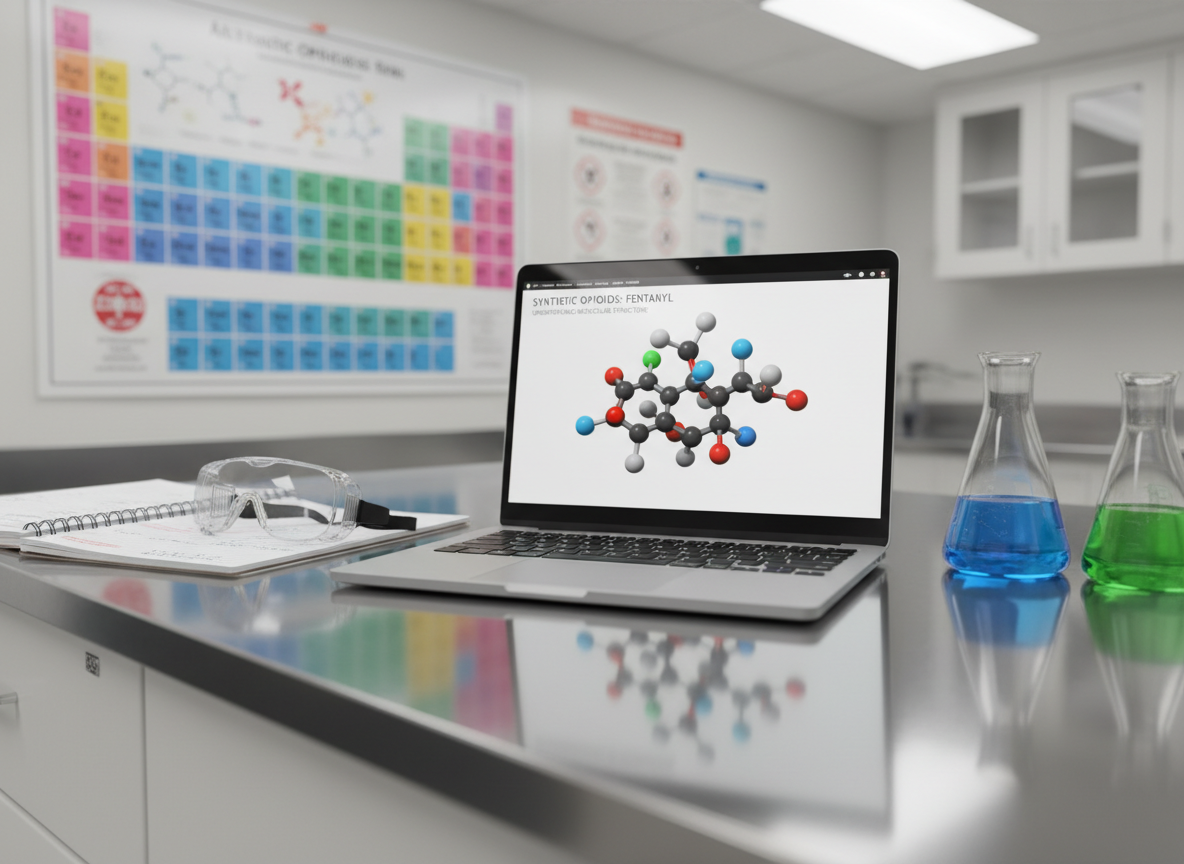
A dramatic yet clean photographic image of a high school chemistry lab workstation, featuring a large periodic table poster, safety goggles resting on an open notebook, and a sleek laptop displaying a colorful molecular model related to synthetic opioids. The lab bench holds organized glassware—flasks and beakers filled with harmlessly tinted blue and green liquids—under bright, even fluorescent lighting. Reflections on the glass and metal surfaces add clarity and precision. The composition is shot from a three-quarter angle, with the laptop screen in sharp focus and the background of lab cabinets and safety posters subtly blurred. The mood is inquisitive and academic, underscoring scientific understanding of fentanyl and counterfeit drugs as part of youth education, without any depiction of drug consumption or people.

Our Leadership

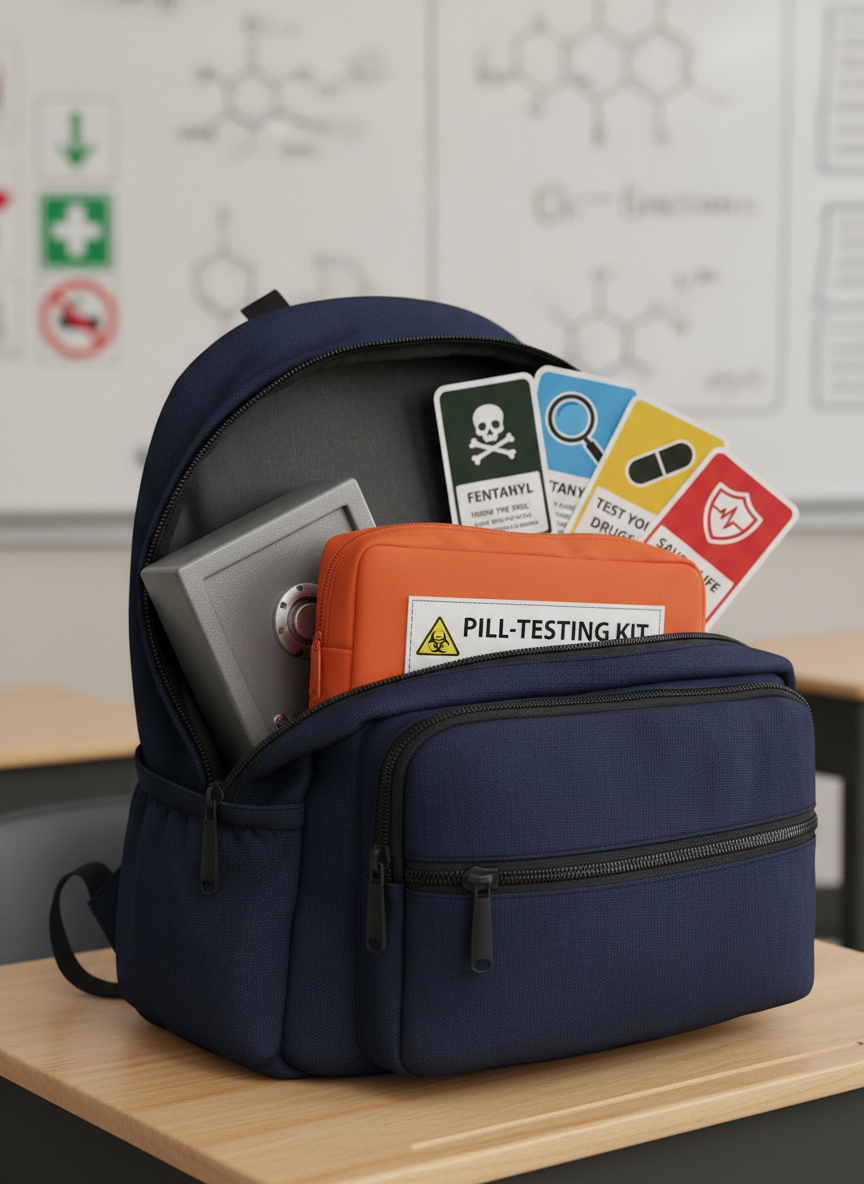
A close-up, photographic image of a sturdy, navy-blue backpack unzipped on a light wooden school desk, revealing a neatly organized interior with a bright orange pill-testing kit, a small locked metal safe box, and informational cards with icon-based graphics about fentanyl risks. Soft overhead classroom lighting creates even illumination, with subtle reflections on the metal lock and gentle shadows along the backpack’s fabric folds. In the blurred background, a whiteboard covered in abstract diagrams and safety symbols suggests a health lesson. Shot from a slightly elevated angle with a shallow depth of field, the mood is responsible, supportive, and educational, emphasizing preparation and awareness for youth without depicting any substances or people.

Aarav Sharma

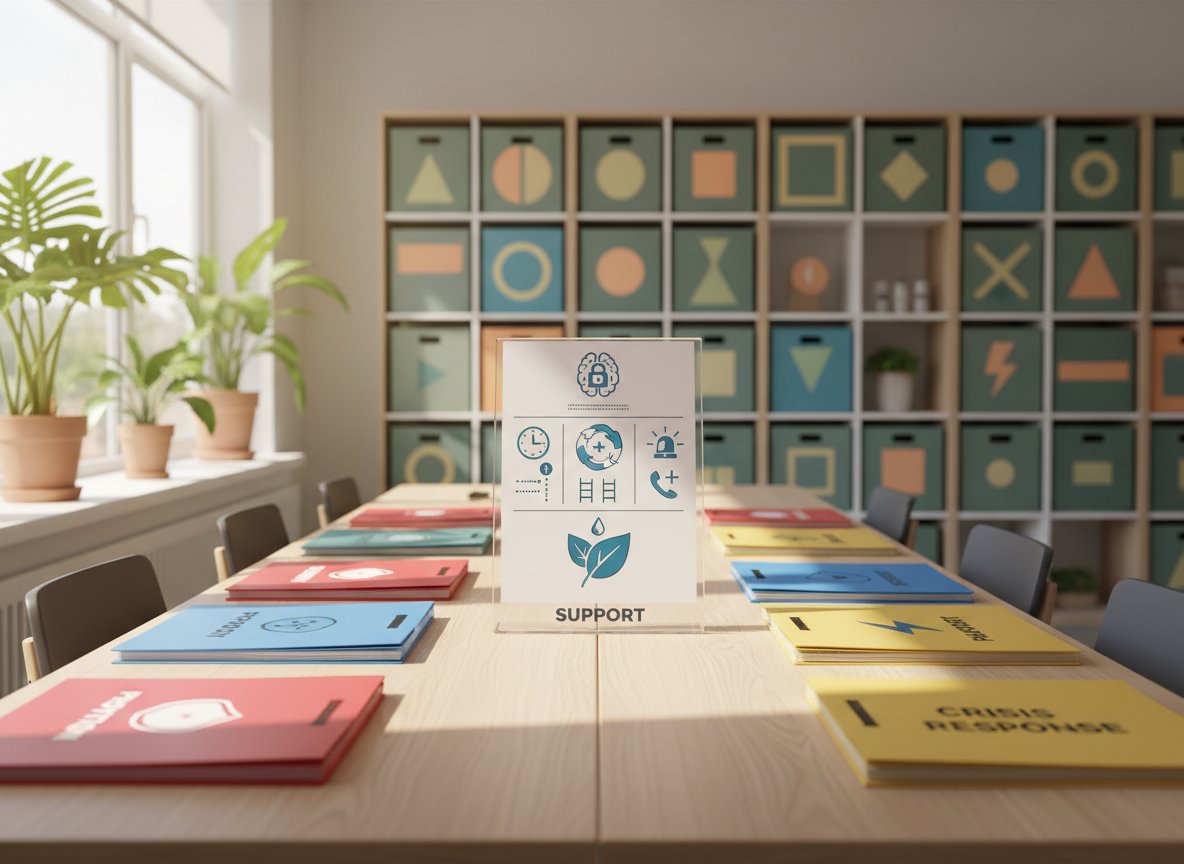
A bright community resource room depicted in photographic realism, with a long, light-wood table covered in color-coded folders, each with bold icon-based labels for topics like prevention, support, and crisis response. At the center, a clear acrylic stand holds an illustrated fentanyl awareness poster featuring large symbols, timelines, and diagrams instead of text. Sunlight pours through large windows, illuminating potted greenery on the windowsill and creating soft, natural highlights on the table’s surface. The background shows softly blurred shelves with neatly stacked boxes labeled only with simple shapes and colors. Shot from a wide, slightly elevated angle, the scene feels organized, welcoming, and empowering, emphasizing that information and help are accessible to youth and communities without any depiction of drug use.

Mateo García

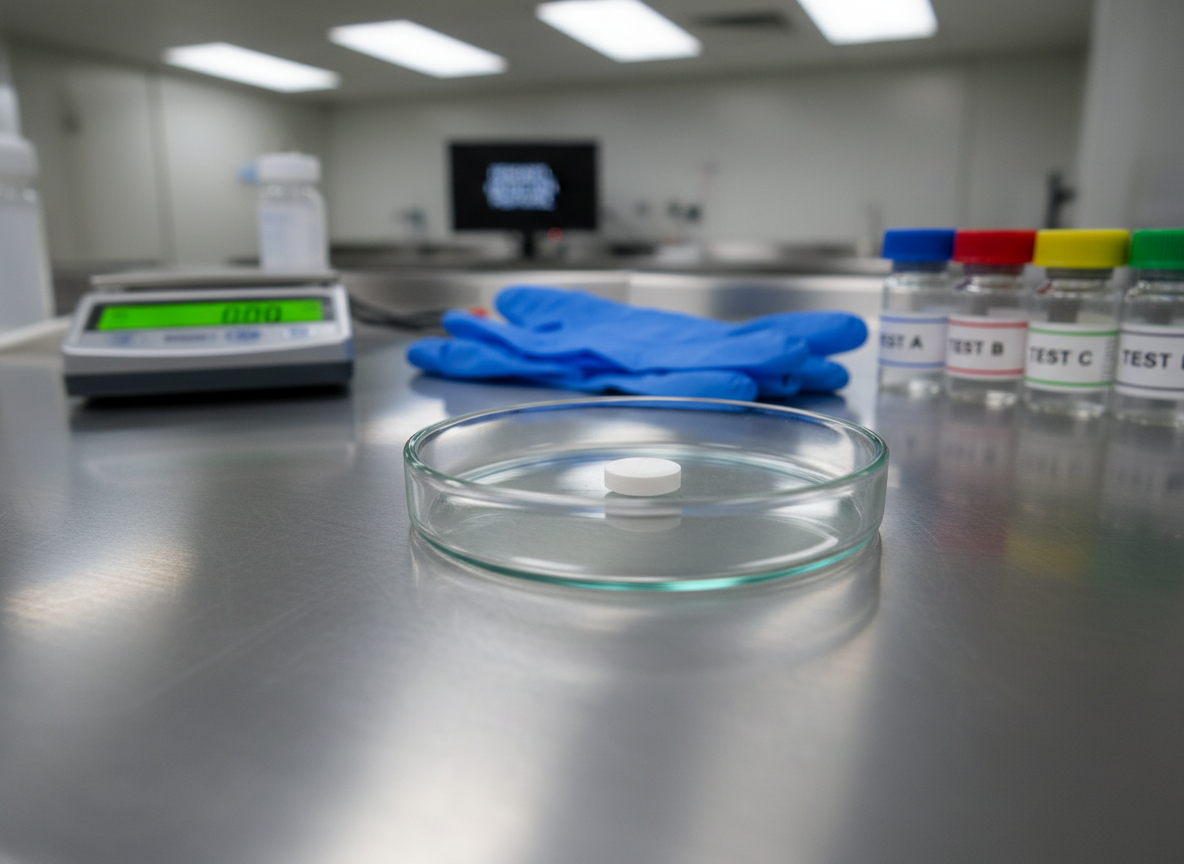
A photographic, highly detailed close-up of a single, unbranded white pill resting in the center of a transparent laboratory petri dish on a smooth, stainless steel lab bench. Surrounding the dish are carefully arranged, out-of-focus lab tools: a digital scale, nitrile gloves, and a line of small labeled vials with colorful caps. Cool, diffused overhead lab lighting creates crisp reflections on the metal and glass surfaces, with the pill in sharp focus and the background softly blurred. The mood is serious, clinical, and analytical, highlighting scientific testing and detection related to fentanyl contamination, while remaining non-graphic and purely educational. Composition follows the rule of thirds, emphasizing precision and a clean, professional aesthetic.

Zuri Ndlovu

A supportive healthcare scene in photographic realism showing a neatly made hospital bed with crisp white linens and a folded teal blanket, positioned beside a modern bedside table holding a glass of water, a digital tablet open to an illustrated educational chart about counterfeit pills, and a small vase of fresh, colorful flowers. Warm, diffused afternoon light filters through partially closed blinds, casting soft stripes of light across the room and creating a soothing, hopeful atmosphere. The composition is eye-level, with the tablet screen as the focal point and the medical equipment in the background subtly out of focus. The overall mood is caring and reassuring, emphasizing access to information and compassionate healthcare for those affected by fentanyl-related emergencies, without showing any patients or graphic content.

Leila Haddad

A dramatic yet clean photographic image of a high school chemistry lab workstation, featuring a large periodic table poster, safety goggles resting on an open notebook, and a sleek laptop displaying a colorful molecular model related to synthetic opioids. The lab bench holds organized glassware—flasks and beakers filled with harmlessly tinted blue and green liquids—under bright, even fluorescent lighting. Reflections on the glass and metal surfaces add clarity and precision. The composition is shot from a three-quarter angle, with the laptop screen in sharp focus and the background of lab cabinets and safety posters subtly blurred. The mood is inquisitive and academic, underscoring scientific understanding of fentanyl and counterfeit drugs as part of youth education, without any depiction of drug consumption or people.

Our Impact

A close-up, photographic image of a sturdy, navy-blue backpack unzipped on a light wooden school desk, revealing a neatly organized interior with a bright orange pill-testing kit, a small locked metal safe box, and informational cards with icon-based graphics about fentanyl risks. Soft overhead classroom lighting creates even illumination, with subtle reflections on the metal lock and gentle shadows along the backpack’s fabric folds. In the blurred background, a whiteboard covered in abstract diagrams and safety symbols suggests a health lesson. Shot from a slightly elevated angle with a shallow depth of field, the mood is responsible, supportive, and educational, emphasizing preparation and awareness for youth without depicting any substances or people.